Wooden Models for Beginners: How to Choose Your First Build
Choose your first wooden model by the building experience you want, not just the finished object. Look at how the assembly unfolds, how you will organise the parts, where you can leave the work between sessions and whether you want a decorative or mechanical result.
A good first build is one whose process makes sense to you. If you enjoy following a sequence and watching an object gradually appear, wooden models may be a satisfying fit. If you mainly like the finished picture, another screen-free hobby may suit you better.
Still deciding between building, painting, placing and solving? Start with Varvikas’ Best Screen-Free Hobbies for Adults comparison.
What kind of building experience do you want?
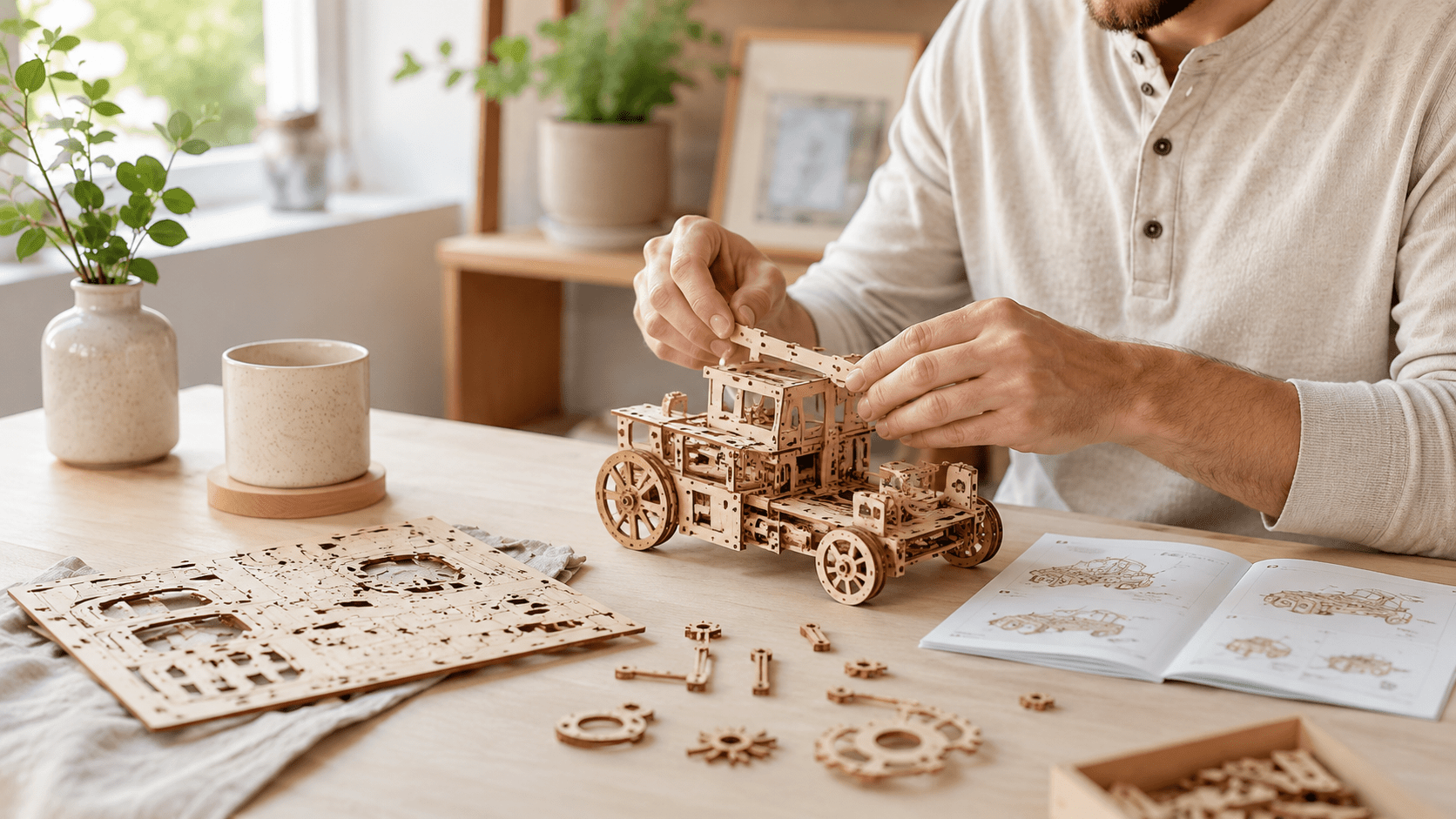
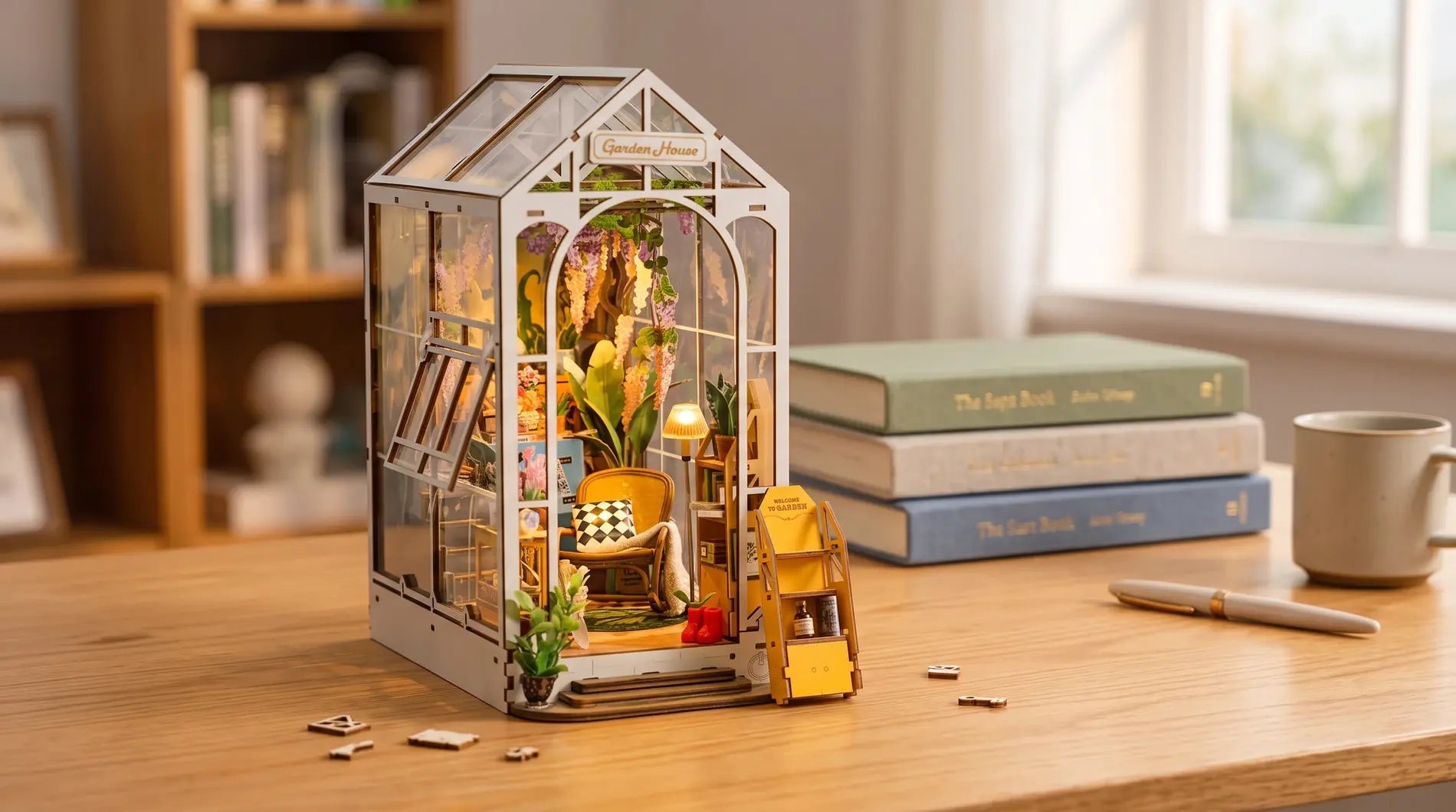
A wooden model is a staged, three-dimensional project. You identify parts, follow instructions, assemble sections and bring them together into a finished object. The route matters as much as the result.
Picture a normal evening. You sit down, find your place in the instructions and complete the next part of the build. At the end of the session, you need to know what is finished, what comes next and where the loose parts will stay. If that sounds appealing rather than fussy, you are looking in the right category.
Before choosing, ask yourself:
- Do I enjoy following connected steps?
- Do I want one longer project or something I can divide into stages?
- Am I happy to keep parts and work-in-progress organised?
- Will the finished object be worth the building time for me?
How to recognise a suitable first build
“Beginner” or “easy” can be a useful label, but it cannot make the decision for you. Look for a process you can understand before ordering.
The product information should help you see how the build progresses, how parts are identified and what preparation may be needed. Box size and the finished photograph tell you little about the attention required along the way.
Look for signs that you will be able to follow the build without holding the whole project in your head. Clear stages, recognisable part references and an understandable route from one section to the next are more useful than a broad promise that a model is suitable for beginners. You are choosing a sequence you can live with, not trying to prove your skill.
Instructions also matter. You do not need every step before buying, but you do need enough information to judge whether the sequence feels manageable. Tools, adhesives, electrical elements or other requirements can vary between models. If any detail could change your choice, check the exact product page or ask Varvikas before ordering.
Do not assume decorative means simple or mechanical means advanced. The type of result and the demands of the build are separate questions.
Make room for the project, not just the model
An unfinished build needs more space than the final object. You may have instructions open, loose parts waiting, prepared pieces and completed sections beside you.
If you build in the evening and need the table again in the morning, decide where everything will go. A tray, container or other organisation method may help you preserve the sequence, but use the setup that fits your home and the specific project. The important thing is being able to return without wondering which part belongs where.
It helps to give unfinished sections, unused parts and completed stages separate places. Keep the instructions with the project and mark your stopping point in a way that makes sense to you. That small bit of order can turn packing away from a disruption into a normal part of the build.
A dedicated table is not essential. A reliable pause-and-storage plan may matter more. Check the stated dimensions when available, then compare them with the surface you will actually use and the place where the unfinished project can stay safely.
Decorative or mechanical: what do you want at the end?
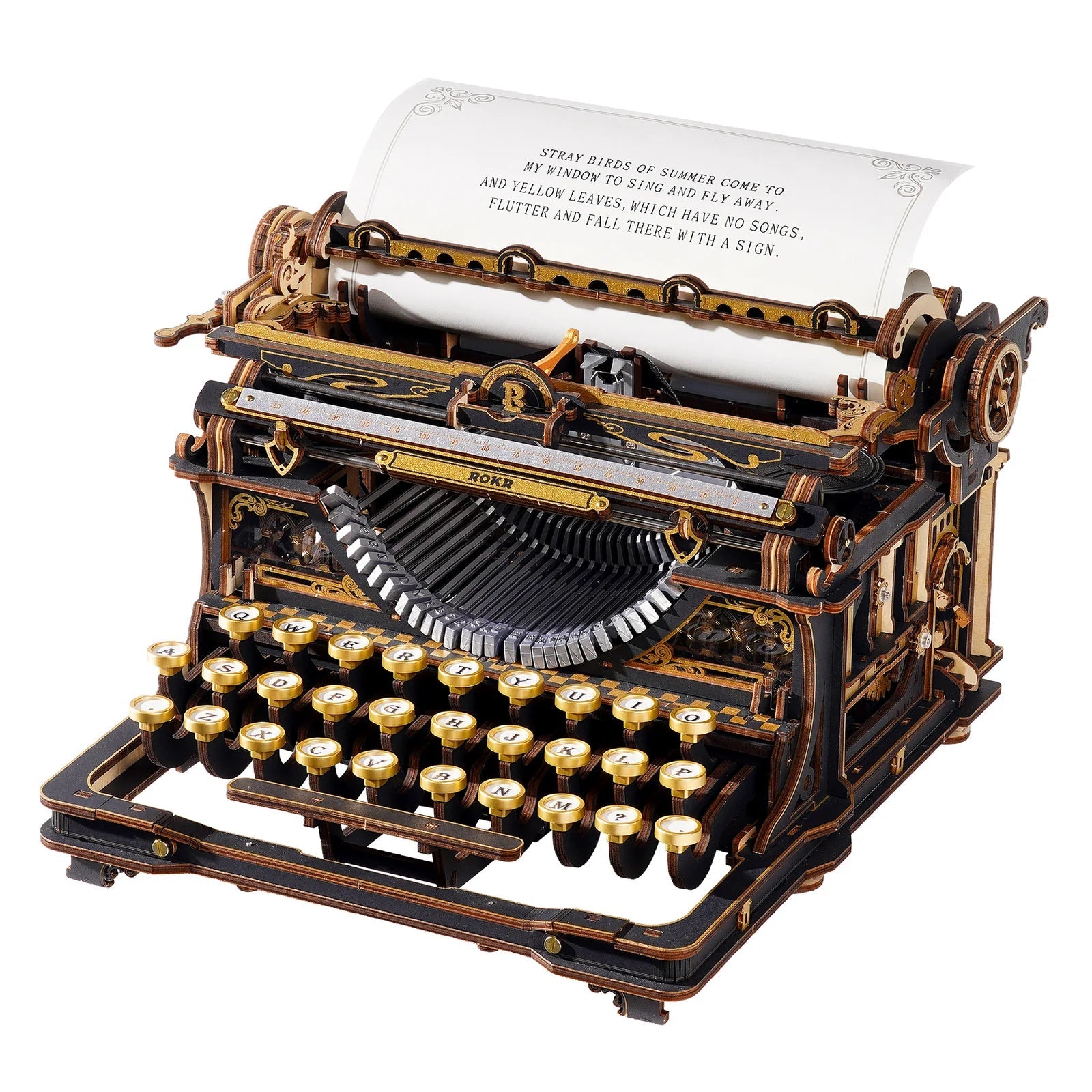
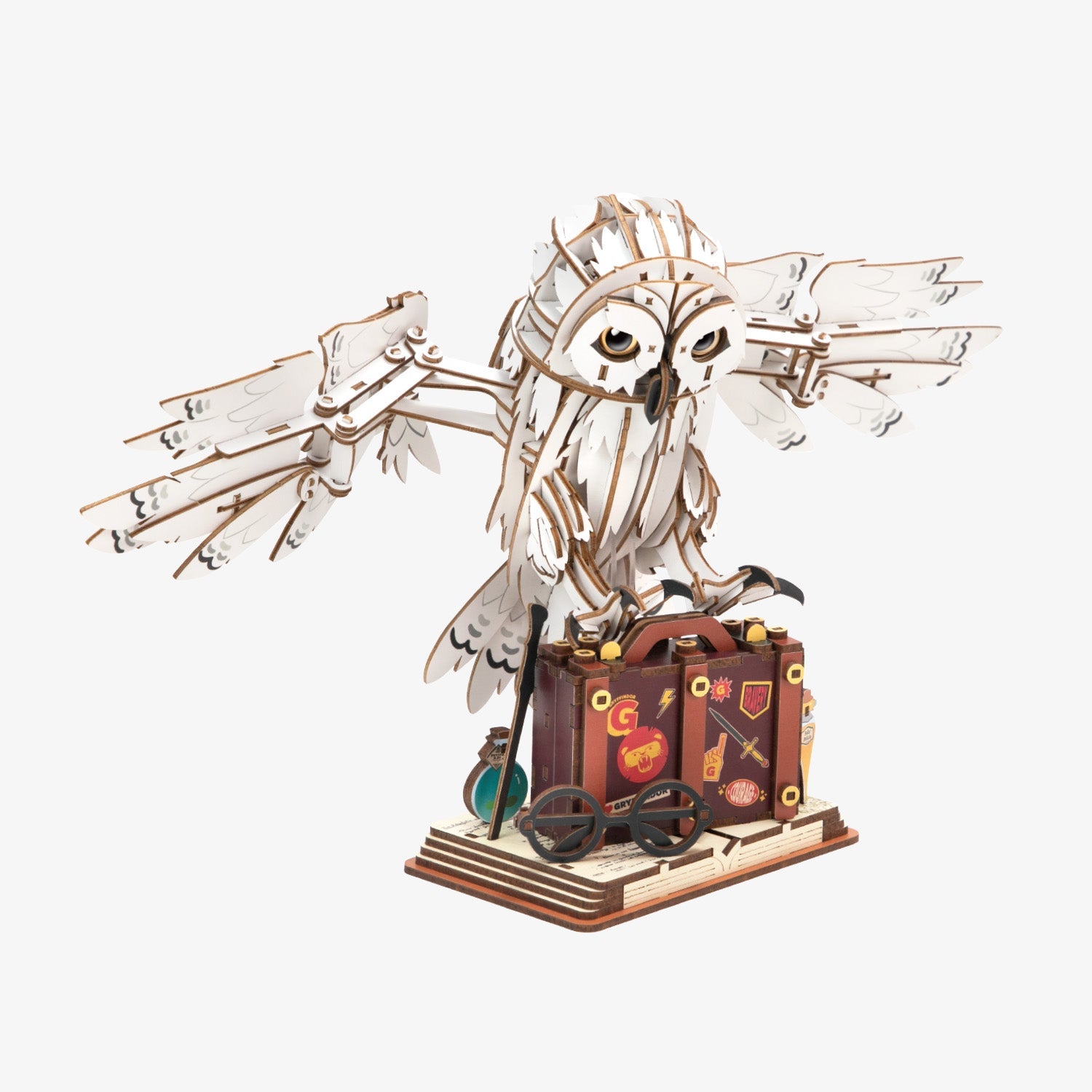
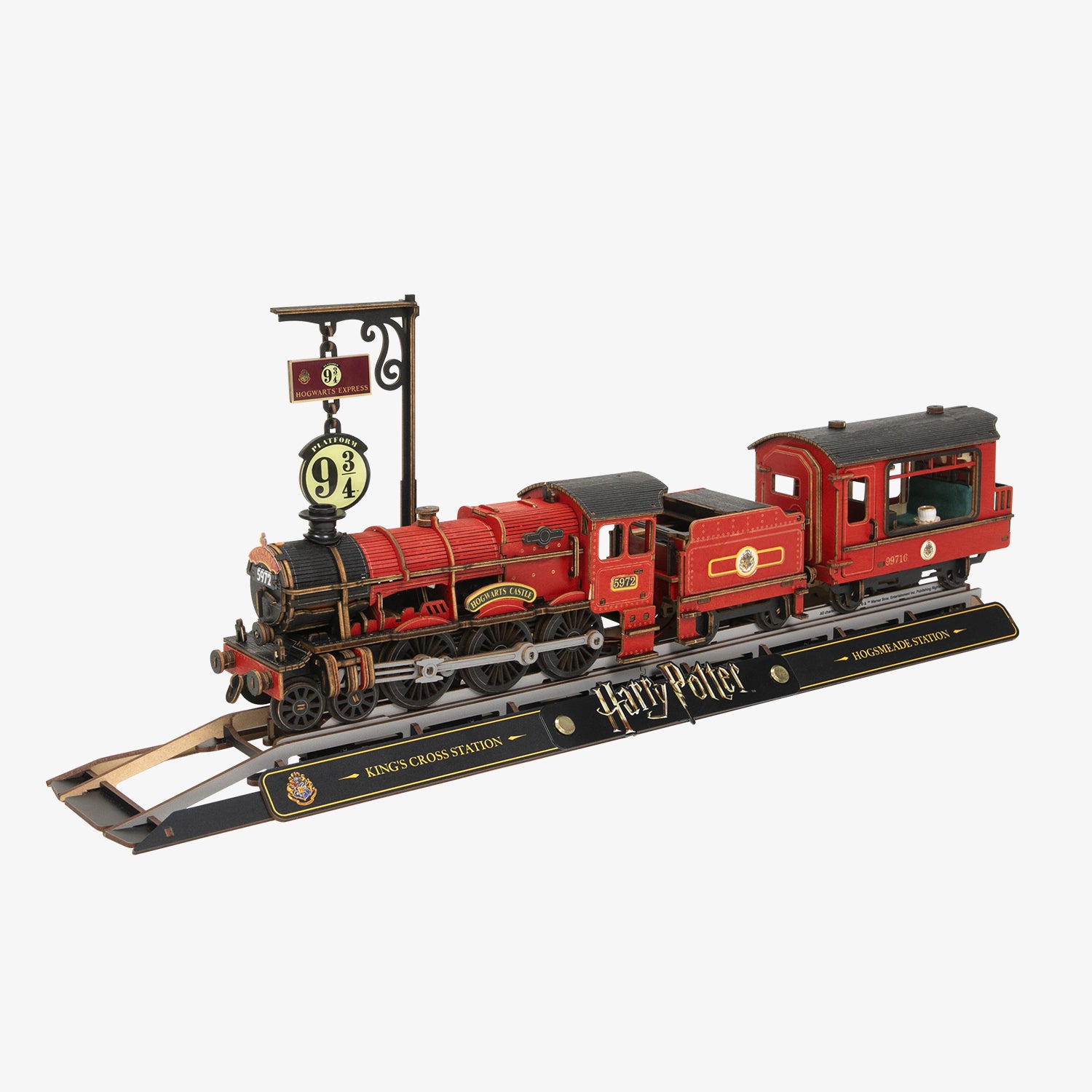
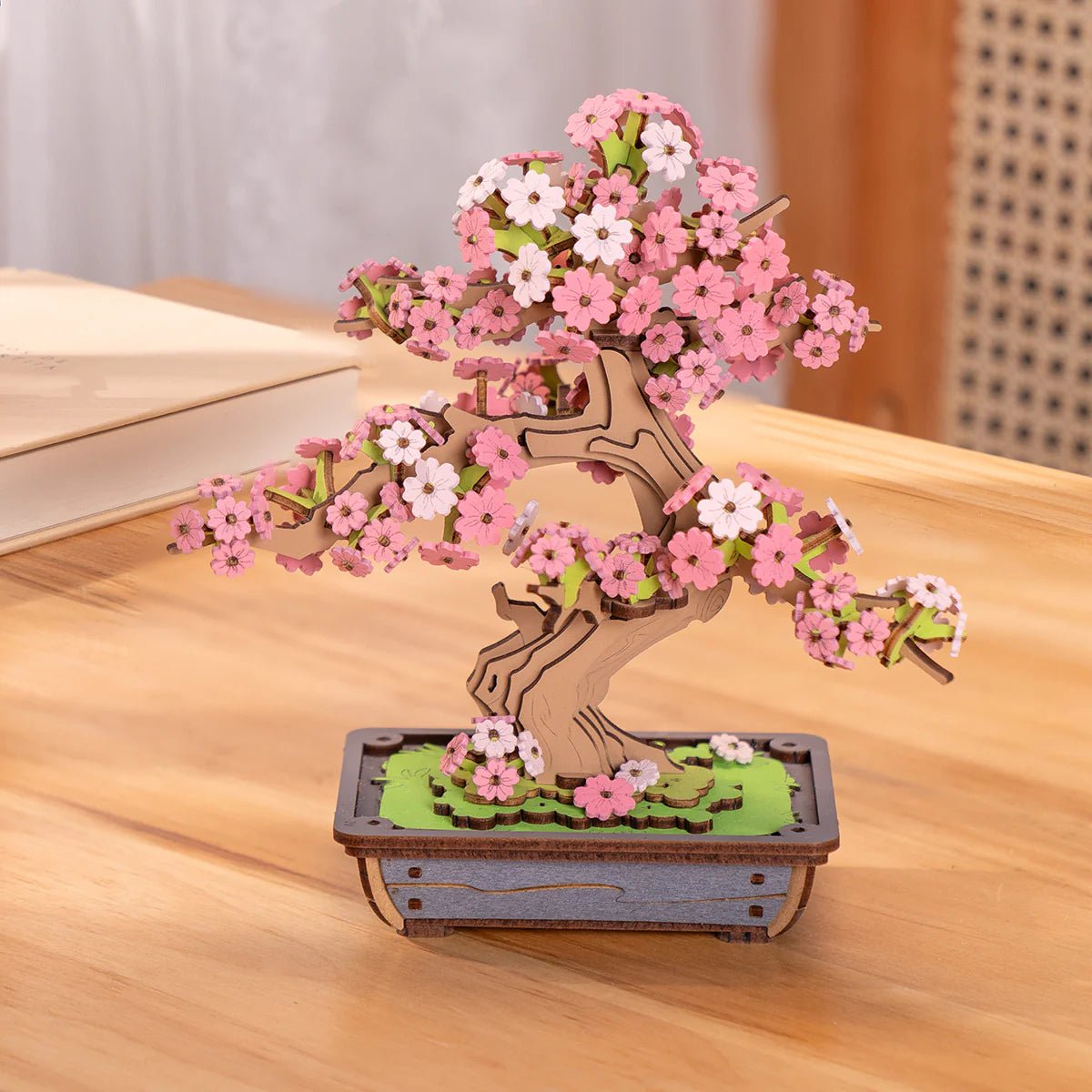
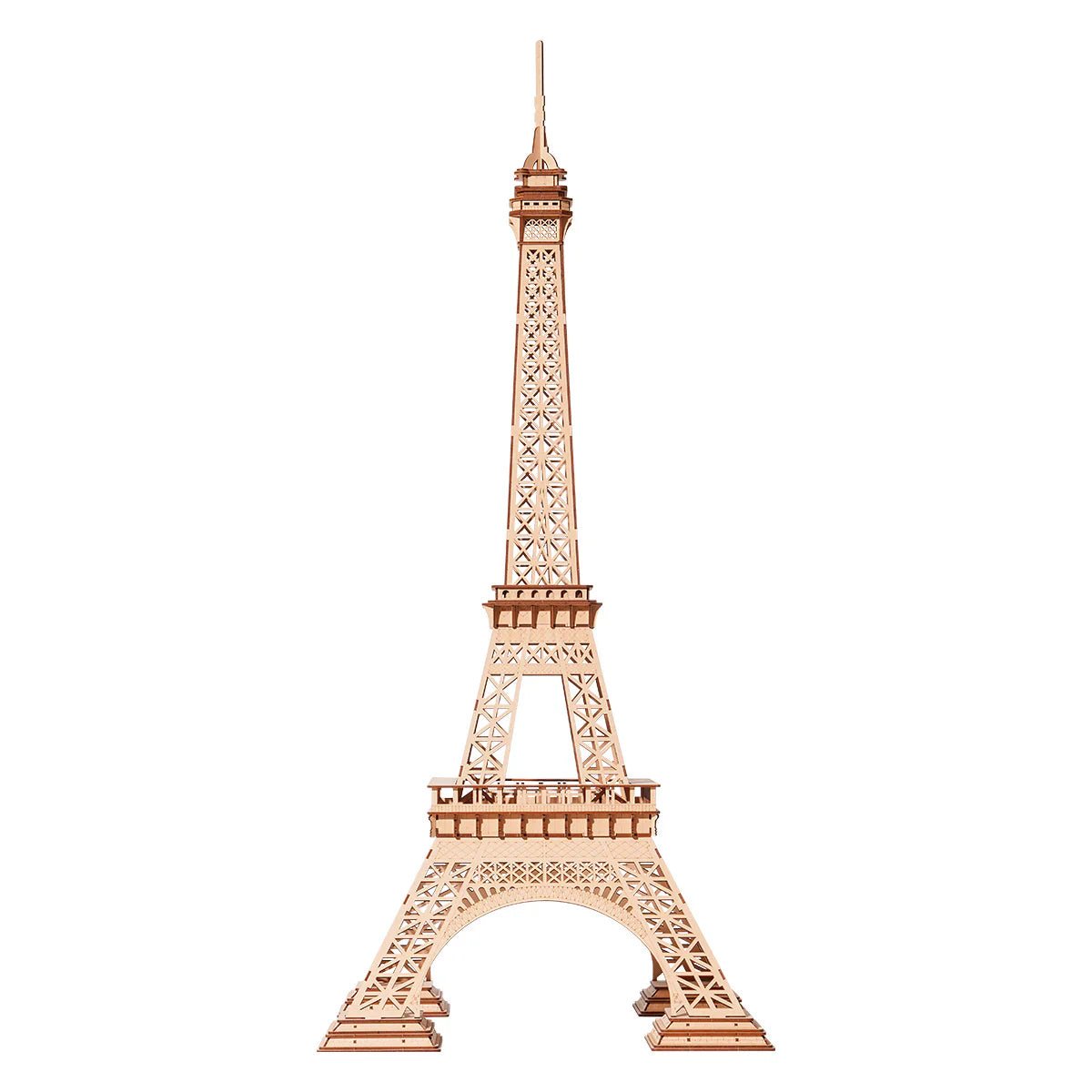
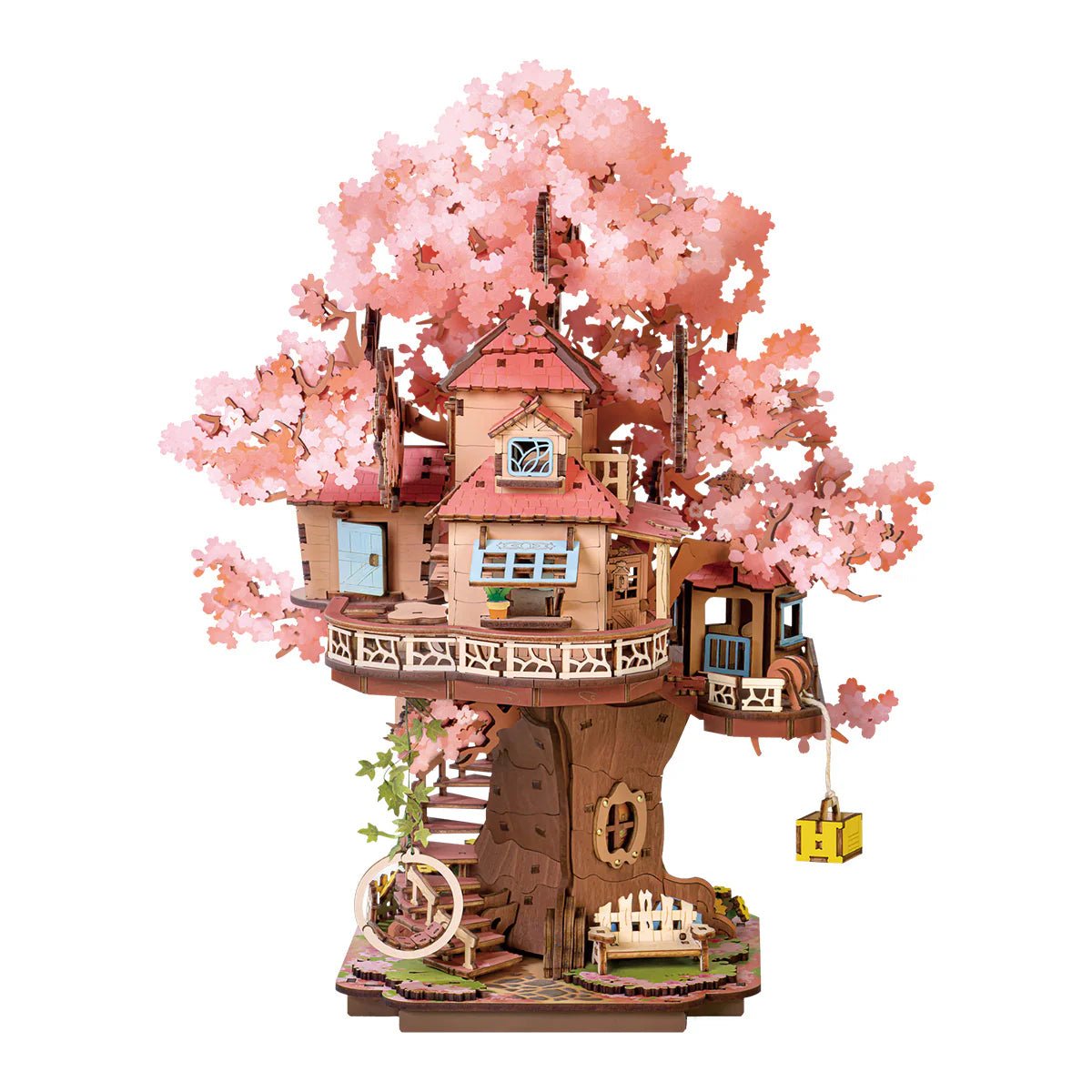
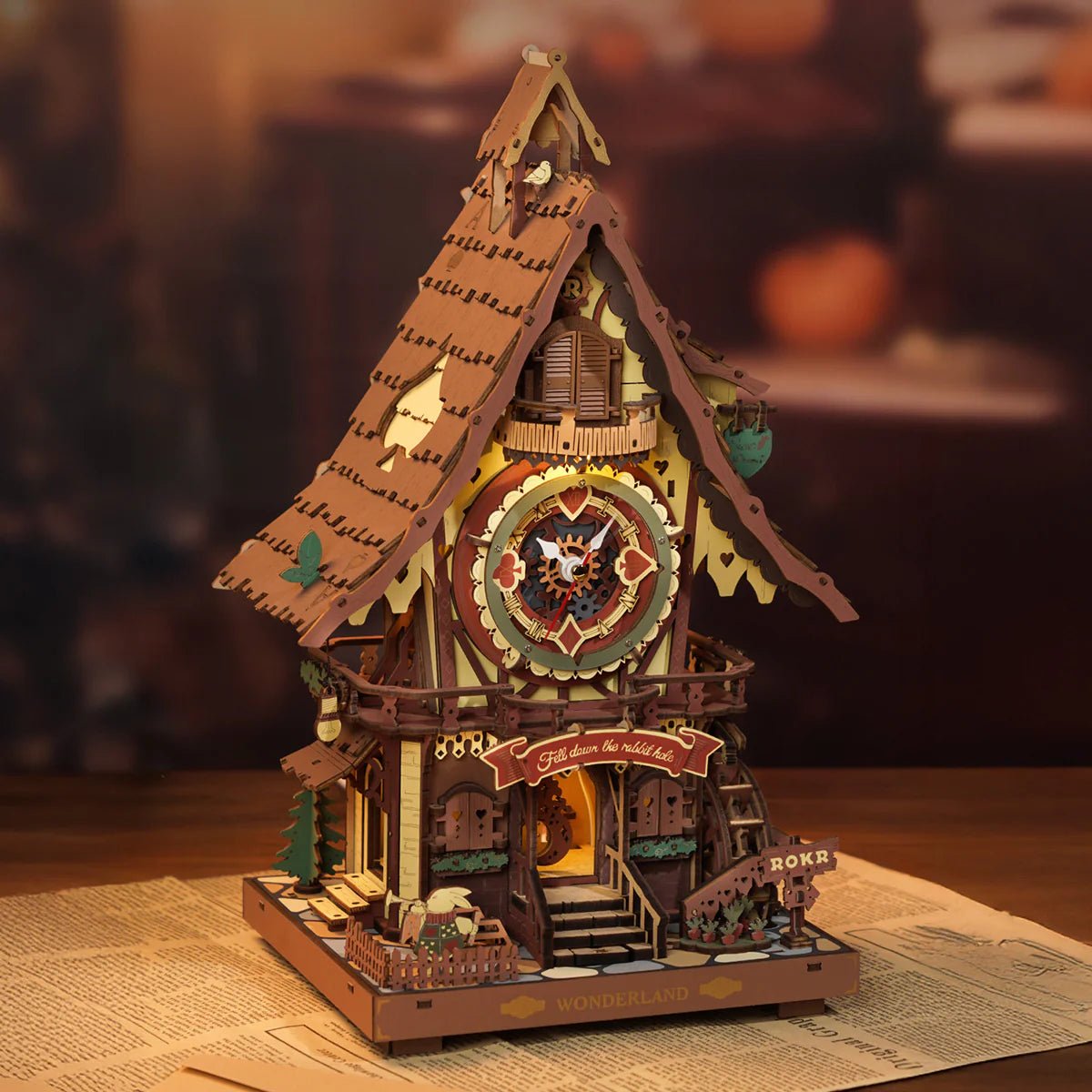
A decorative model may appeal because you want to make something to display. A mechanical model may interest you because you want to see how assembled parts interact. Neither type is automatically easier or better for a first build.
Work backwards from the reward you want. Will the finished object keep you interested through the assembly stages? Do you have somewhere for it once it is complete? The best-looking option is not always the best first project if the building process does not suit you.
This is also where process fit and appearance need to stay separate. Two models can both look appealing while asking for very different kinds of attention. Let the photograph draw you in, then let the assembly information decide whether the project belongs in your routine.
A practical buying checklist
Before ordering, check:
- Can I picture the assembly sequence?
- Are the instructions and part-identification method clear enough for me?
- Are any required tools, adhesives or extras stated?
- Do I have room for instructions, parts and completed sections?
- Can I pause without losing my place or mixing the parts?
- Do I want the building process as well as the finished object?
- Do I prefer a decorative result, a mechanical one or both?
- Are important product details—such as dimensions, materials and age guidance—confirmed for this exact model?
Small does not always mean simple, and “beginner” does not mean effortless. Choose from the process you can see, not from a shortcut on the box.
How a wooden model fits real life
Wooden models tend to fit people who enjoy ordered, hands-on progress and can keep a project organised between sessions. They also give you a three-dimensional finished object rather than a flat image.
Think about your routine. Will you build quietly on your own, or with someone nearby? Can you leave the project out, or will every session end with packing it away? There is no ideal setup; there is only the one that creates the least friction in your home.
When another hobby may suit you better
Another activity may be a better fit if you dislike following assembly steps, cannot keep work-in-progress organised or want something you can clear away with very little planning.
For colour and a flat finished image, painting or placement-based crafts may appeal more. For a shared visual problem without a three-dimensional construction sequence, consider a puzzle. You can compare these processes in Best Screen-Free Hobbies for Adults.
Practical guidance from Varvikas
Start with assembly style, instructions, workspace and pausing. Then choose the finished look you like. This order helps you find a model that works on an ordinary evening, not only one that looks impressive in a photograph.
If an exact product detail matters to your decision, check the product page or ask Varvikas. Models can differ, and a short question before ordering is better than an inconvenient surprise later.
Ready to explore wooden models?
Once you know the kind of build that fits your space, routine and desired result, explore the Varvikas Wooden Models category.
Still comparing hobbies? Return to Best Screen-Free Hobbies for Adults to compare building with painting, placing and solving.


Leave a comment
This site is protected by hCaptcha and the hCaptcha Privacy Policy and Terms of Service apply.